Solutions
Guide to Interlining Applications and Troubleshooting
Though hidden within, interlining is the key to shaping a garment's soul. Here, we systematically break down the characteristics of a comprehensive range of interlinings and tackle real-world production challenges head-on, providing you with full-spectrum support from material selection to process tuning.
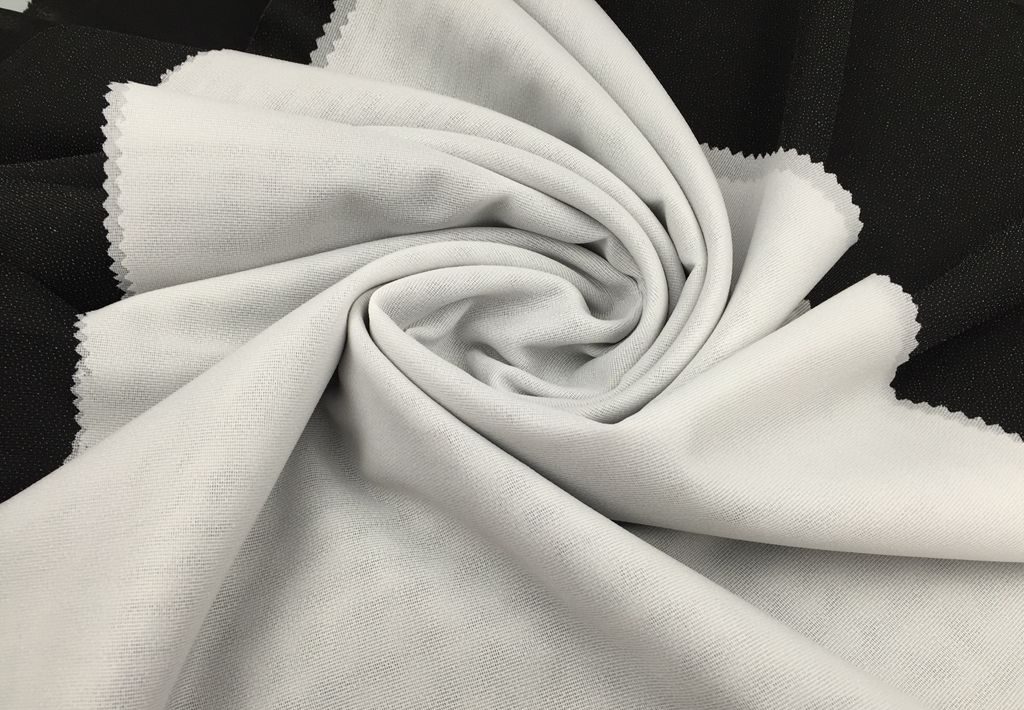
Overview of Interlining Varieties and Scientific Selection
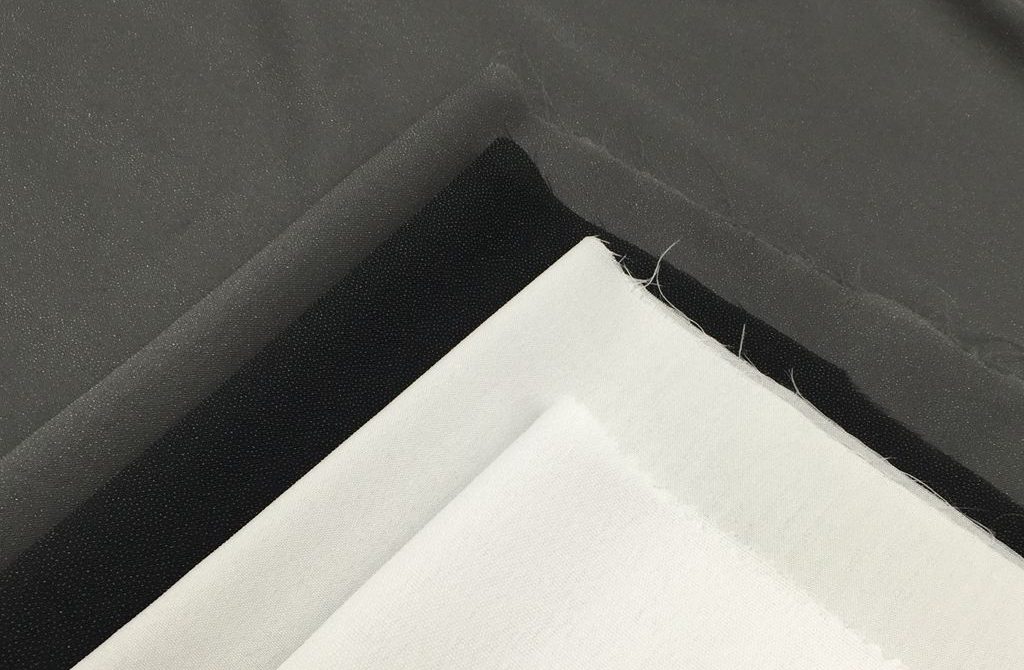
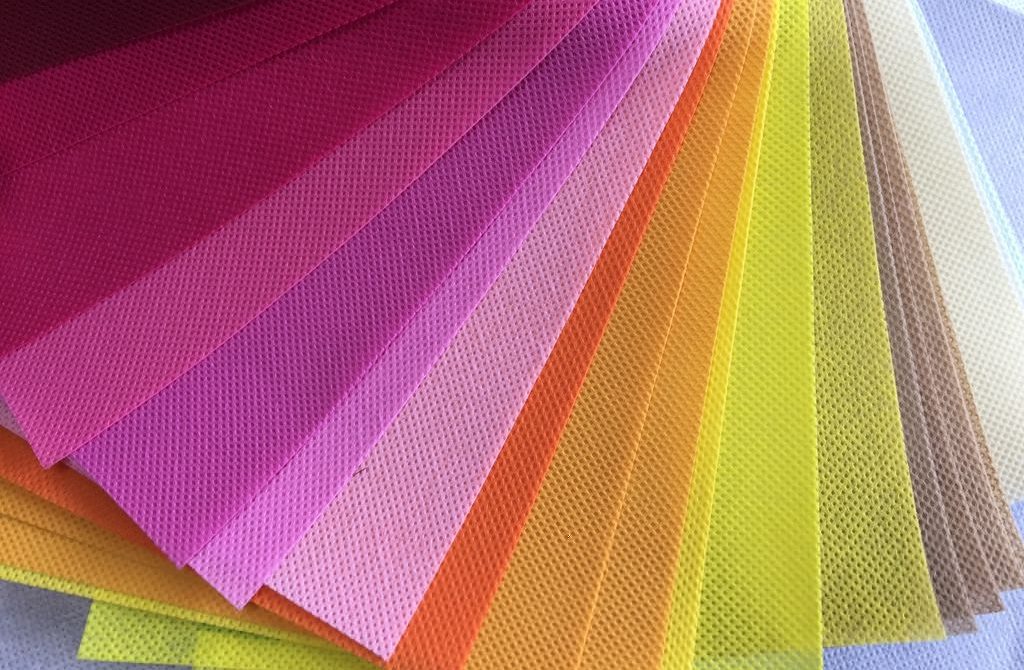
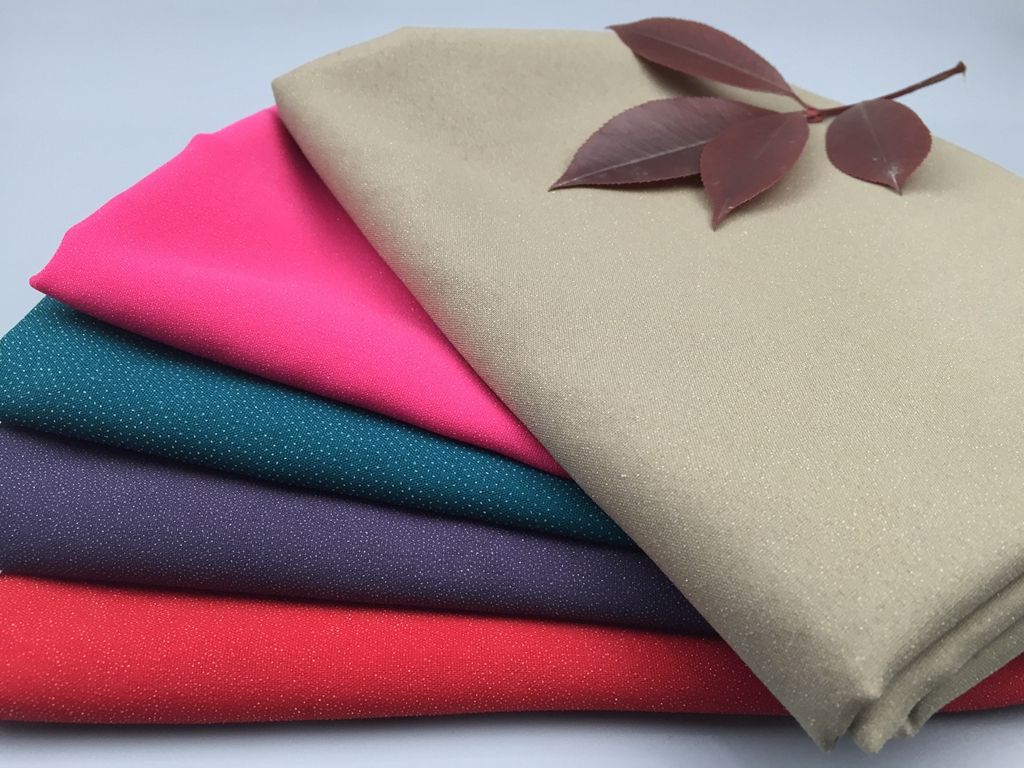
Tailored to the textural needs of various fabrics, we break down categories such as woven, knitted, and non-woven interlinings to help you effortlessly master scientific selection and pairing principles, ensuring a flawless match between fabric and interlining.
-
Woven interlining:Featuring an interwoven warp and weft structure, it offers high dimensional stability in both directions and excellent shape retention, making it a classic choice for formal suits, overcoats, and shirt collars.
-
Knitted Interlining (Warp-knitted and Weft-knitted):Soft in texture with excellent stretch. In particular, circular-knitted four-way stretch interlining pairs seamlessly with high-stretch knitted fabrics, yoga wear, and casual stretch suits.
-
Non-woven interlining:Formed through random fiber arrangement and thermal bonding, it offers the advantages of high cost-effectiveness and efficient shaping, making it widely used for localized reinforcement in various mid-to-low-end garments.
Introduction to Common Pain Points in Production and Processing
In practical fusing and sewing operations, tricky issues often arise due to improper parameters or mismatching. We provide professional troubleshooting and solutions for the following typical problems.
-
Bubbling and Delamination in Fusing:Mostly caused by improper settings of fusing machine temperature, pressure, and time, or an incompatibility between the adhesive powder's melting point and the fabric, leading to insufficient peel strength.
-
"Wrinkling" or "Puckering" caused by mismatched shrinkage rates:There are differences in warp and weft shrinkage rates between the interlining and the fabric, or the pre-shrinking treatment during fusing is inadequate.
-
"Failure to bond" on special functional fabrics (low surface tension):The fabric surface has undergone water-repellent, oil-repellent, or antistatic finishing (extremely low surface tension), making it difficult for ordinary hot-melt adhesive to effectively wet and grip the fabric.